
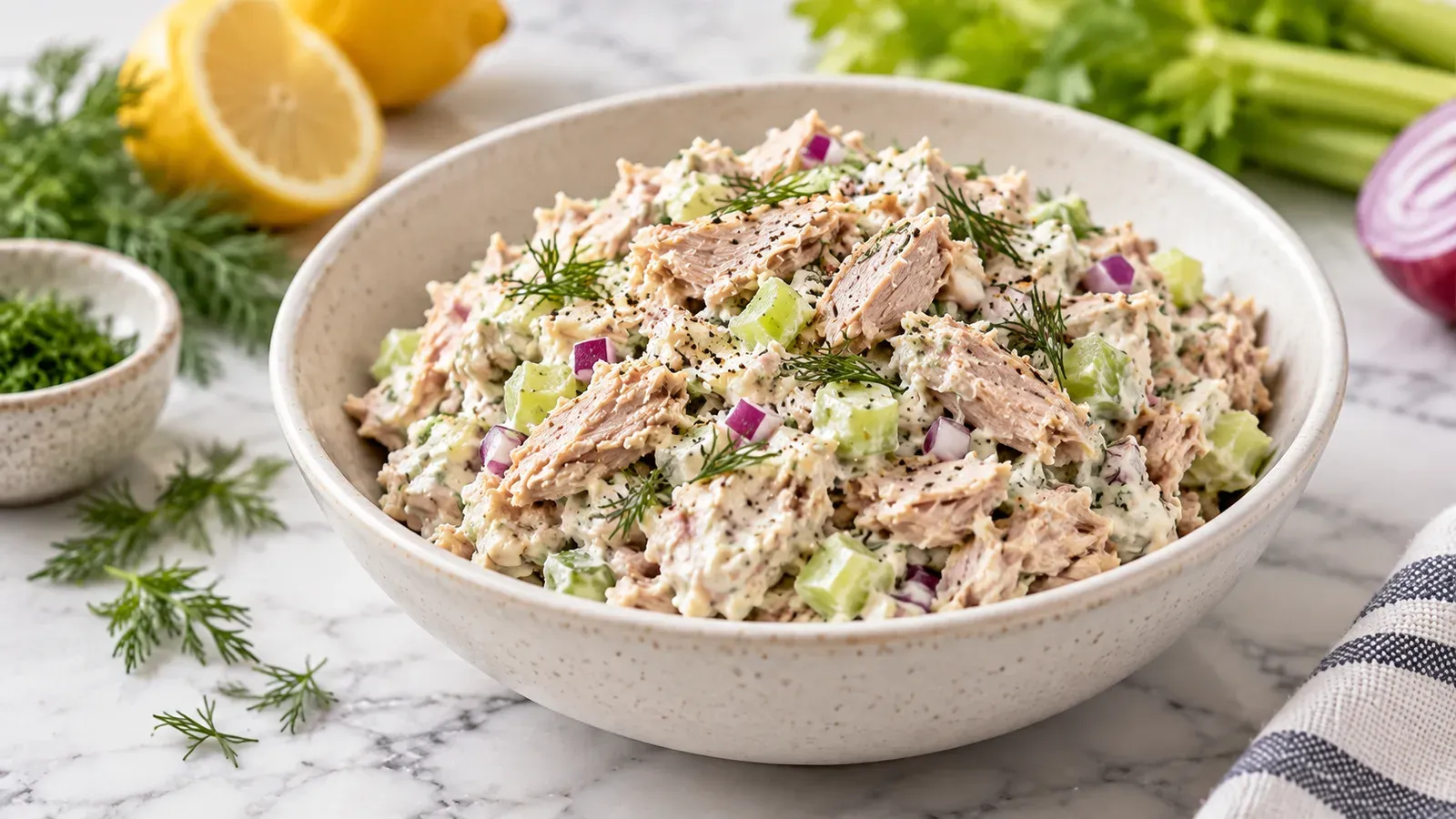
High-Protein Tuna Salad
Per serving (about 5 oz (1/3 of the batch))
How I calculate this → Protein calculator →
20g of protein per 100 calories, more than 6 of the other 6 lunch recipes here.
I swap Greek yogurt in for mayonnaise here, which cuts the calories without making the salad taste like a diet version of itself. Tuna is already lean, so the yogurt's tang actually works with it rather than needing to be masked. I drain the tuna well before mixing, pressing it against the side of the can, since extra liquid waters down the dressing instead of thickening it.
Why you'll love this
- 20g of protein per serving for about 100 calories
- No-cook, ready in 10 minutes
- Greek yogurt instead of mayo keeps it light without tasting diet
Recipe
High-Protein Tuna Salad
Ingredients
Instructions
- Drain the tuna well, pressing it against the side of the can to remove as much liquid as possible.
- In a mixing bowl, flake the tuna with a fork.
- Add the Greek yogurt, celery, red onion, lemon juice, Dijon mustard, salt, and pepper. Stir to combine.
- Fold in fresh dill if using. Taste and adjust seasoning.
Equipment
- Mixing bowl
Notes
- I press the tuna against the can before it goes in the bowl, not just tip it into a strainer. Canned tuna holds more liquid than it looks like, and that extra water thins the dressing if it's not pressed out first.
- This keeps well in the fridge, so it's a reasonable make-ahead option for a few days of lunches.
Nutrition (per serving)
| Calories | 100 |
|---|---|
| Protein | 20g |
| Carbs | 3g |
| Fat | 1g |
| Fiber | 0g |
Where these numbers come from
I calculate every figure above from USDA FoodData Central, ingredient by ingredient, then divide by the servings the recipe makes. Each FDC number links to the exact USDA entry I used. How I calculate nutrition
- Canned tuna: FDC #173709 (Fish, tuna, light, canned in water, drained solids), 19.4g protein / 86 kcal / 0.96g fat per 100g. Drained weight per 5 oz can derived from FDC's own measure '1 can (12.5 oz), drained = 315g' (89% of net weight): 5 oz (142g) x 0.89 = 126g, x 2 cans = 252g. (2026-09-28: the earlier calculation used the no-salt entry FDC #171986 at 25.5g protein and FDC's generic '1 can = 165g', which overstated protein by about 60%.)
- Greek yogurt (nonfat): FDC #170894 (Yogurt, Greek, plain, nonfat), 10.2g protein / 59 kcal / 0.39g fat / 3.6g carb per 100g. FDC has no cup measure; 1/2 cup = 113g from the Fage Total 0% label (3/4 cup = 170g).
- Celery: FDC #169988 (Celery, raw), 1/2 cup diced = 50g (FDC: 1 cup chopped = 101g).
- Red onion: FDC #170000 (Onions, raw), 2 tbsp = 20g (FDC: 1 tbsp chopped = 10g). No separate red-onion entry in FDC.
- Lemon juice: FDC #167747 (Lemon juice, raw), 1 tbsp = 15g.
- Dijon mustard: FDC #172234 (Mustard, prepared, yellow), 1 tsp = 5g; closest FDC entry.
- Batch totals: 61g protein, 305 kcal, 3.2g fat, 8.7g carb, 1.4g fiber, about 455g of food; divided by 3 servings.
Storage
Refrigerate in an airtight container for up to 3 days. The texture holds up well since there’s no mayo to separate.
FAQ
Can I use mayo instead of Greek yogurt?
Yes, as a direct swap, though it raises the calories and fat and lowers the protein compared to using yogurt.
What can I serve this with?
Over greens, in lettuce wraps, on whole-grain toast, or scooped with cucumber slices all work well, depending on how many carbs you want alongside it.
Can I use canned salmon instead of tuna?
Yes, canned salmon works as a direct swap in the same amount and has a similar protein profile, just a different, richer flavor.
Looking for more no-cook lunches: the chickpea salad is a good plant-based option for the same time of day.
Canned tuna is one of the leanest proteins in Foods High in Protein, measured by protein per 100 calories.
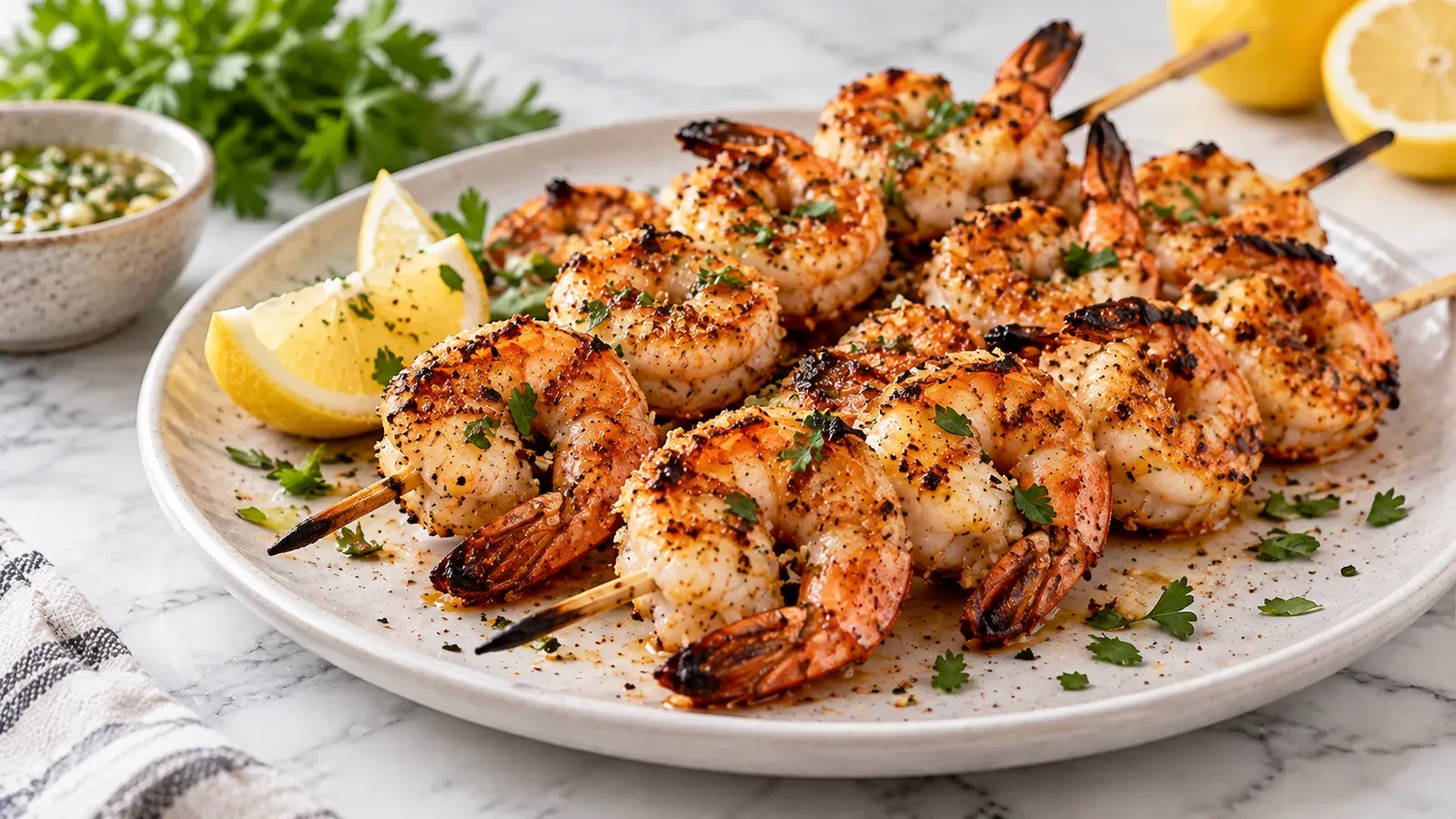
High-Protein Grilled Shrimp Skewers
Grilled shrimp skewers with garlic and lemon: a high-protein, low-carb, low-calorie dinner ready in under 25 minutes.
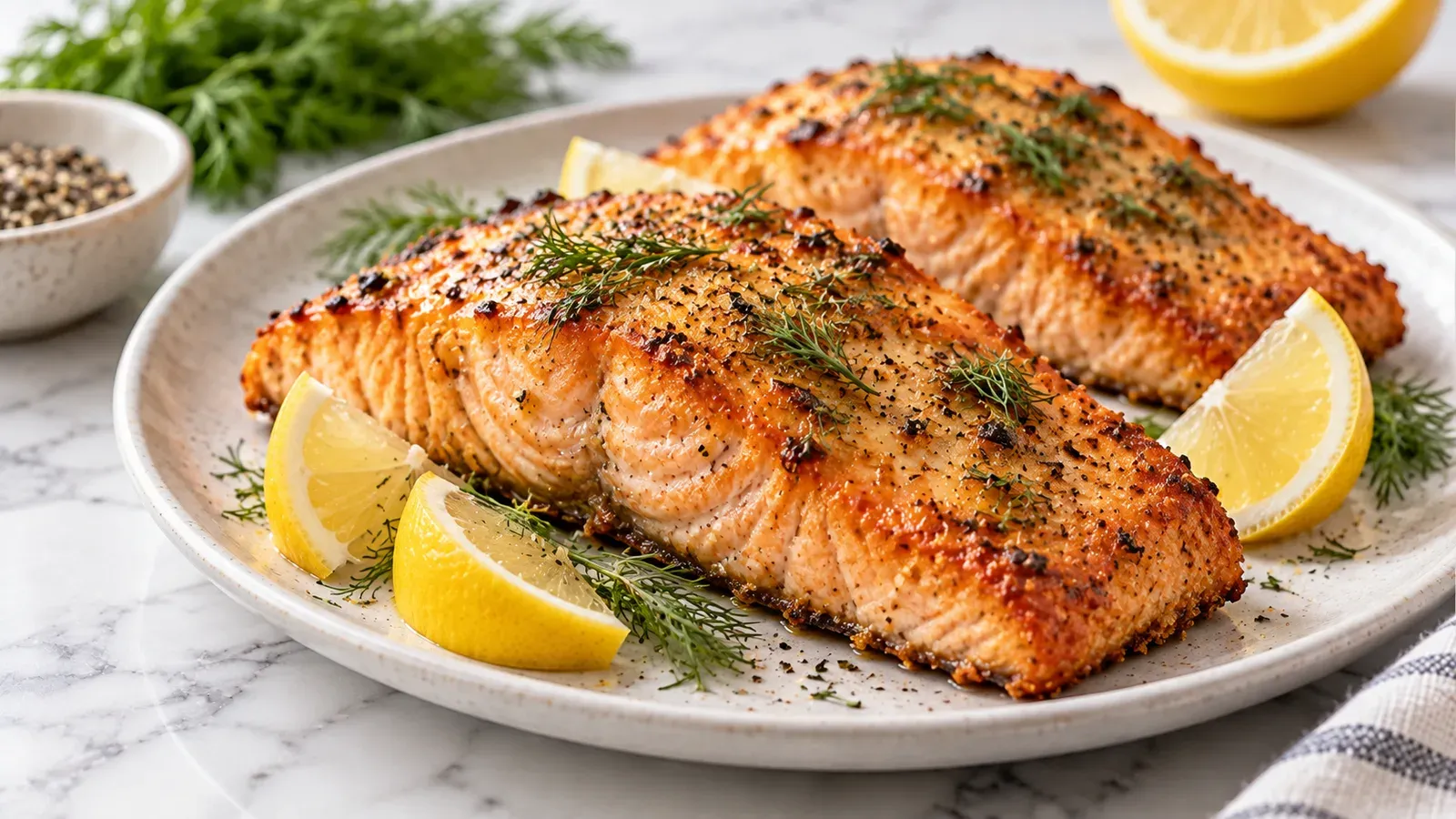
High-Protein Air Fryer Salmon
Air fryer salmon with lemon, garlic, and dill: a high-protein, low-carb dinner ready in 20 minutes with no oven preheat.
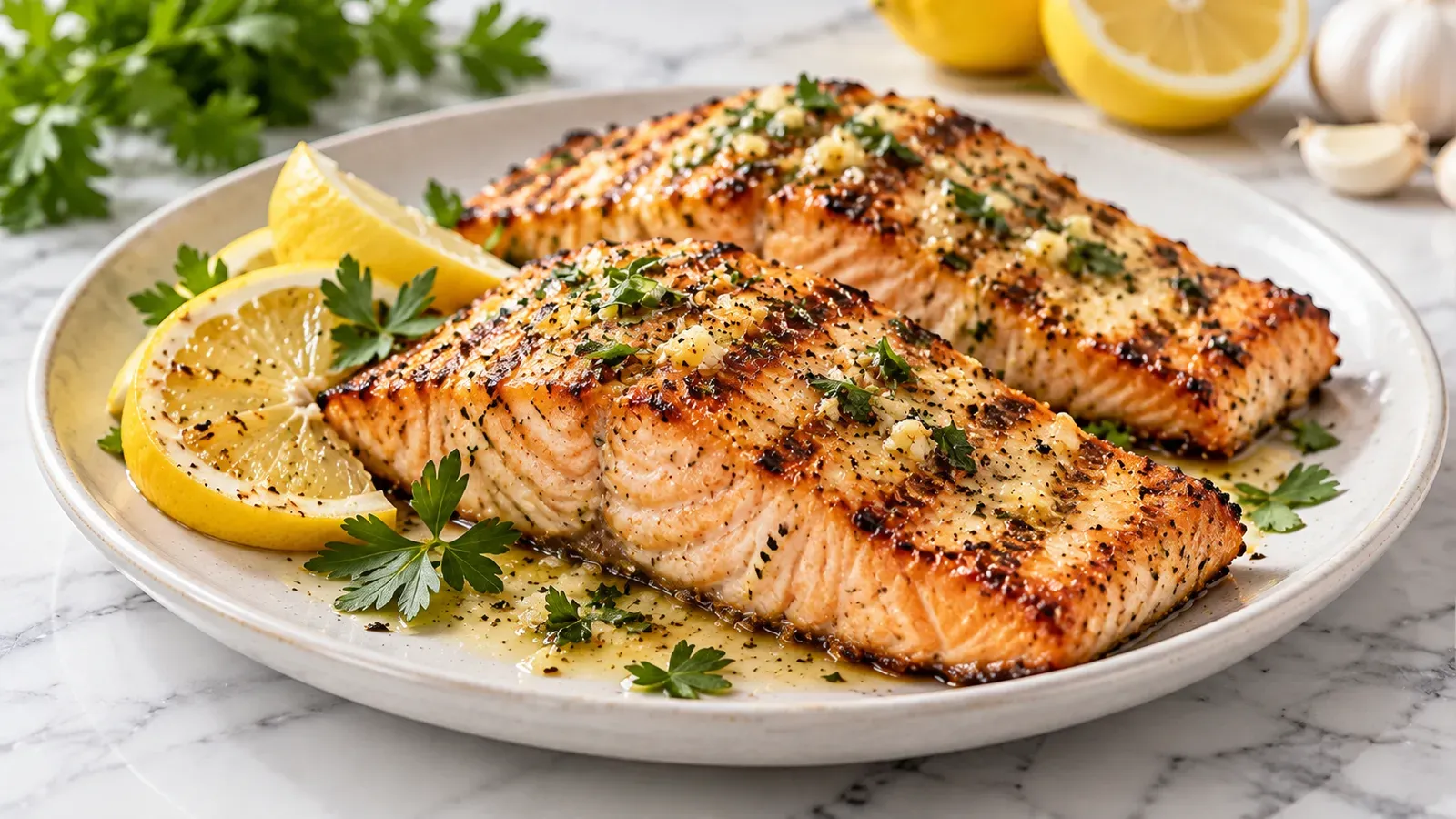
High-Protein Grilled Salmon
Simple grilled salmon with lemon and garlic: a high-protein, low-carb dinner ready in under 20 minutes.
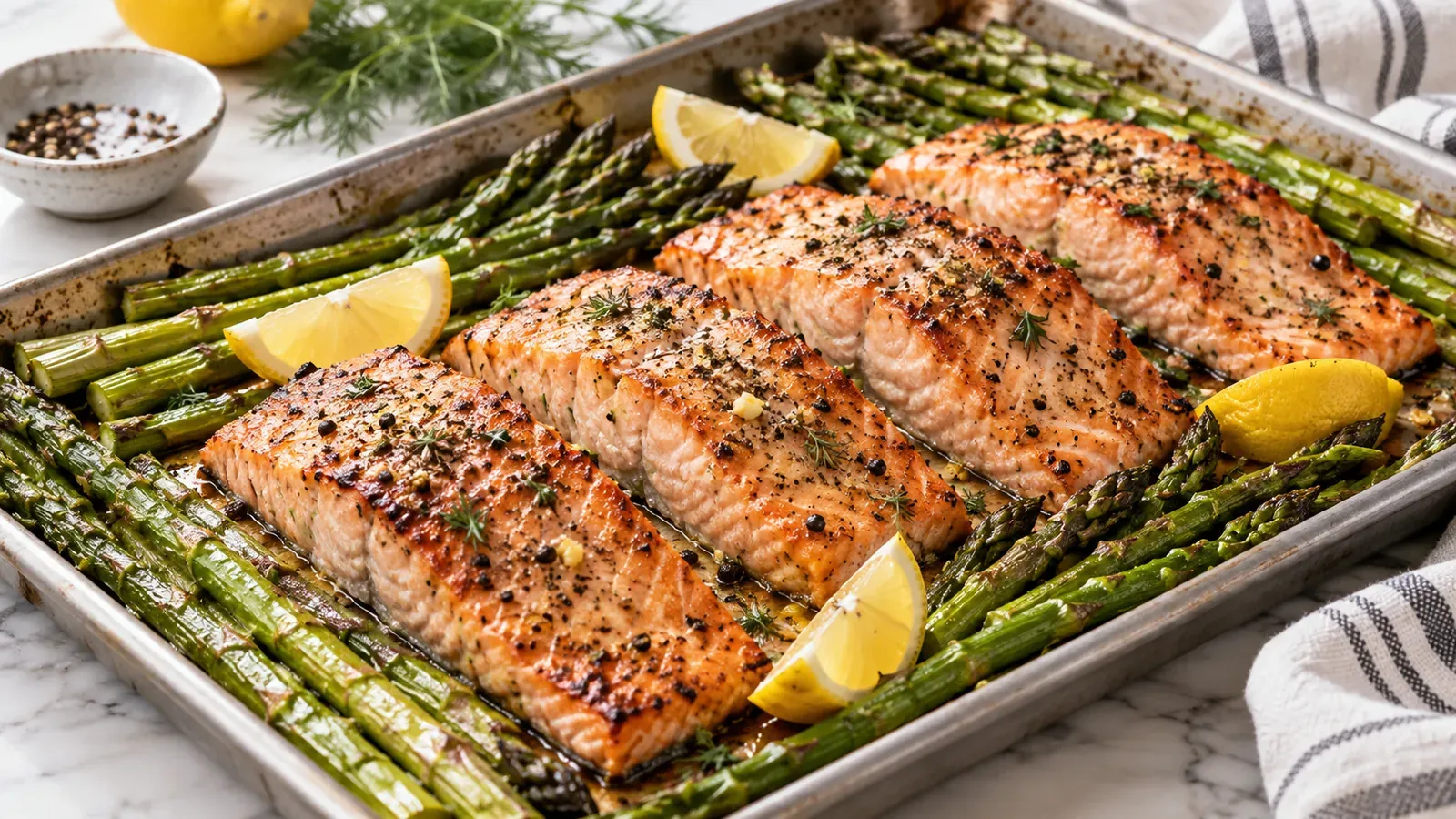
High-Protein Sheet-Pan Salmon with Asparagus
Salmon and asparagus roasted on one sheet pan at the same temperature: a high-protein, low-carb dinner with almost no cleanup.
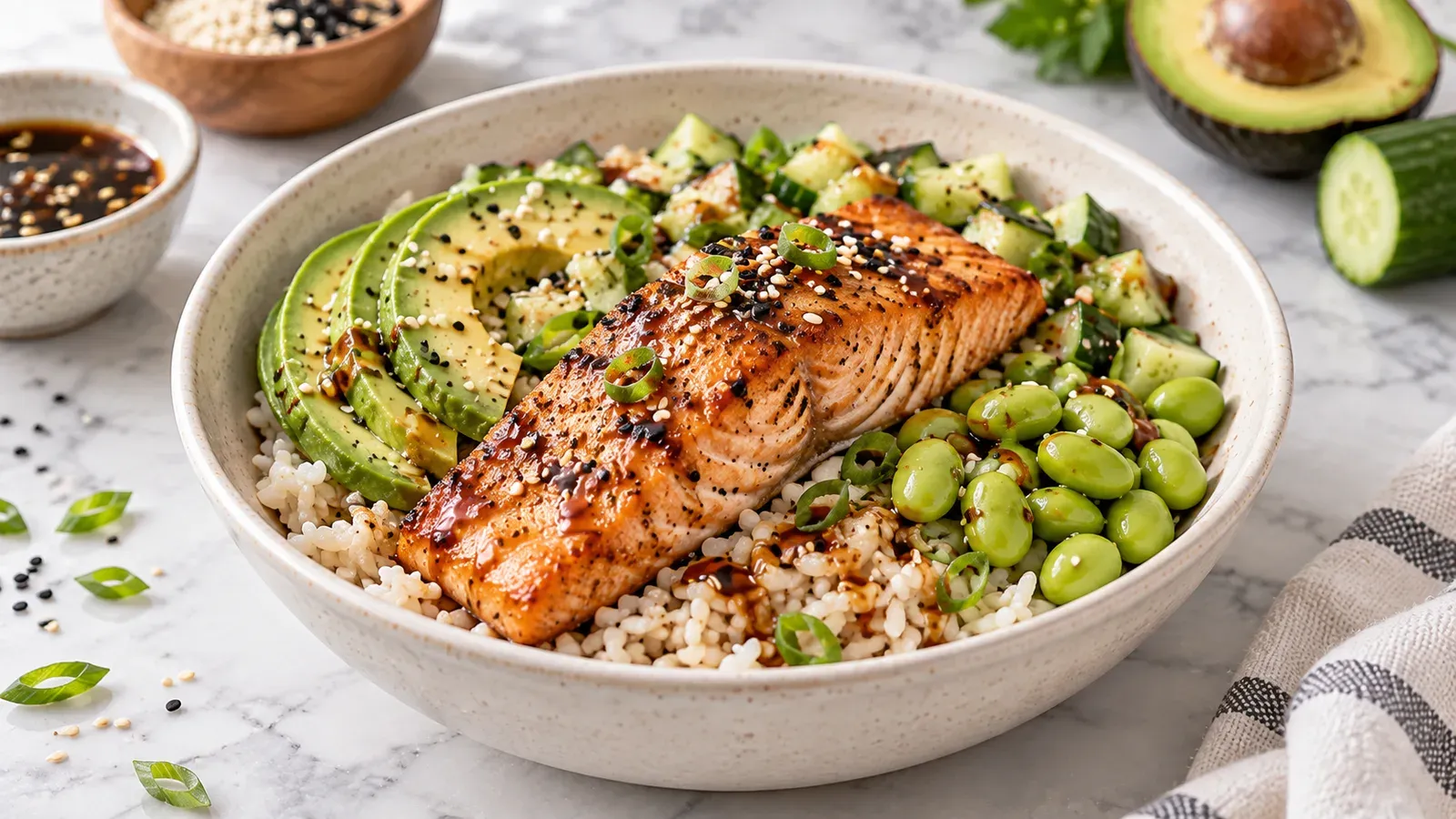
High-Protein Salmon Bowl
A high-protein salmon rice bowl with avocado, cucumber, and edamame: a high-fiber dinner with a simple soy-sesame dressing.
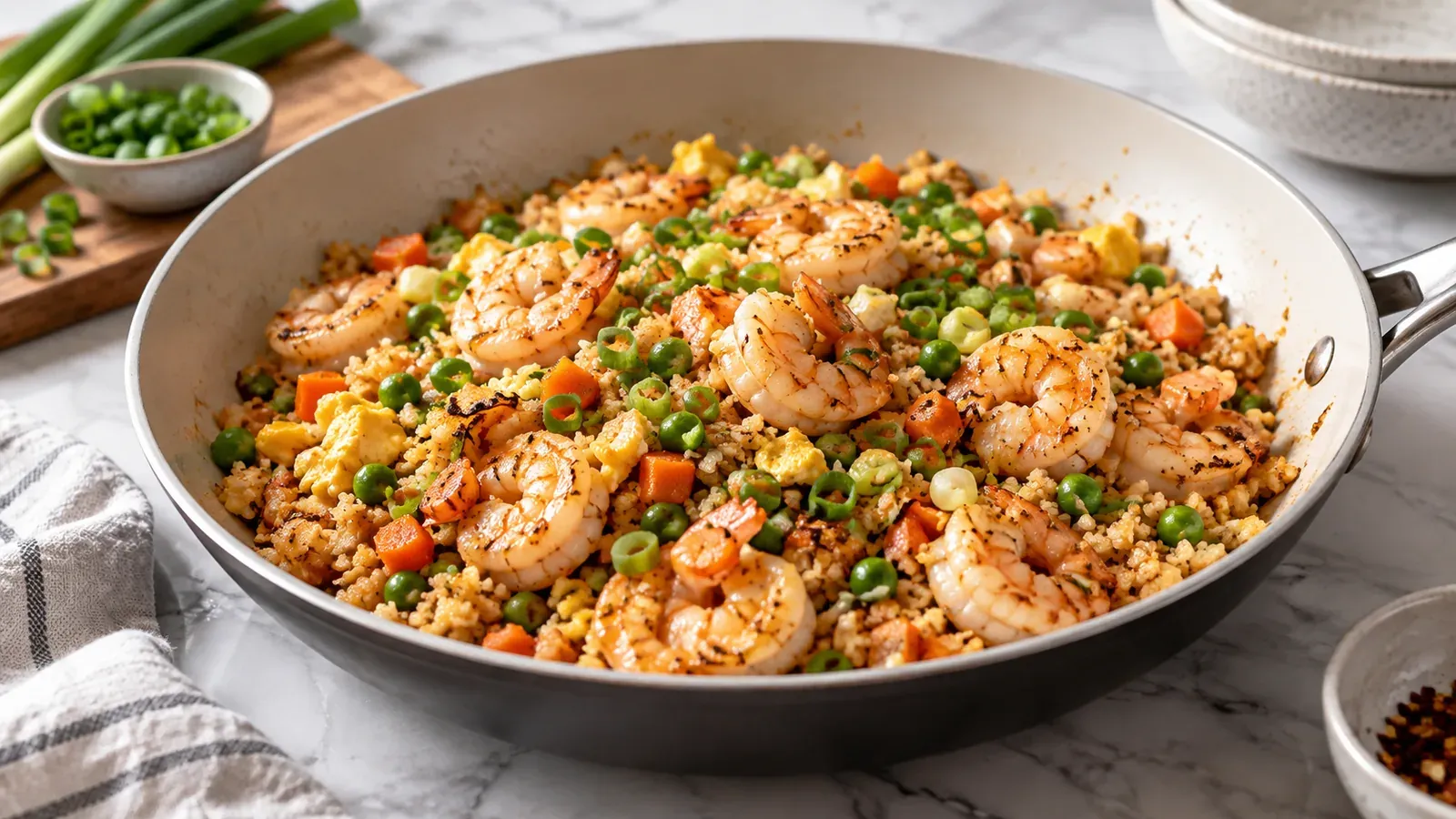
High-Protein Shrimp and Cauliflower Rice Stir-Fry
A 20-minute shrimp and cauliflower rice stir-fry with real fried-rice technique: high protein, low carb, one skillet.